Mold Removal in West Villages, FL
West Villages is the original name for the land along U.S. 41 and West Villages Parkway that North Port annexed in 2002, and it is still what many residents call the older neighborhoods there: Gran Paradiso, IslandWalk, Renaissance, Sarasota National, and the Villas and Preserve sections built from the mid-2000s through the 2010s. The West Villages Improvement District, created by the state in 2004, still runs the roads and drainage.
These are big block houses with tile roofs, paver driveways, and lanais facing lakes or preserves. The mold problems come from the lanai side: sliders and pocket doors that leak under driving rain, and screened cages that funnel water against the house. In the attic, long flex duct runs over a 3,000-square-foot plan sweat in August and drip onto bedroom ceilings.
West Villages homeowners who call us reach an independent mold provider who works the west side of North Port. The provider meters the ceilings and the slider walls before deciding what comes out.
What the West Villages houses call about
Ceiling rings under attic duct runs lead to attic mold remediation and sometimes HVAC mold cleaning. Wet drywall below a lanai slider is mold removal. After a storm opens a tile roof and the house sits without power, whole-home mold remediation is the call.
Spring training down the road and drainage that works
CoolToday Park, the Atlanta Braves' spring training home, opened on West Villages Parkway in March 2019 and anchors the south end of the district, and the Braves' summer rookie league plays there as well. The improvement district's lakes and swales mean rain leaves the streets quickly here, so a wet slab in a West Villages house is far more likely to be a slider, a plumbing line, or an air handler than ground water.
Call (941) 420-6510 now and tell us which community you are in and what got wet. A local mold provider serving the West Villages takes it from there.
Services Available in West Villages
Mold Removal
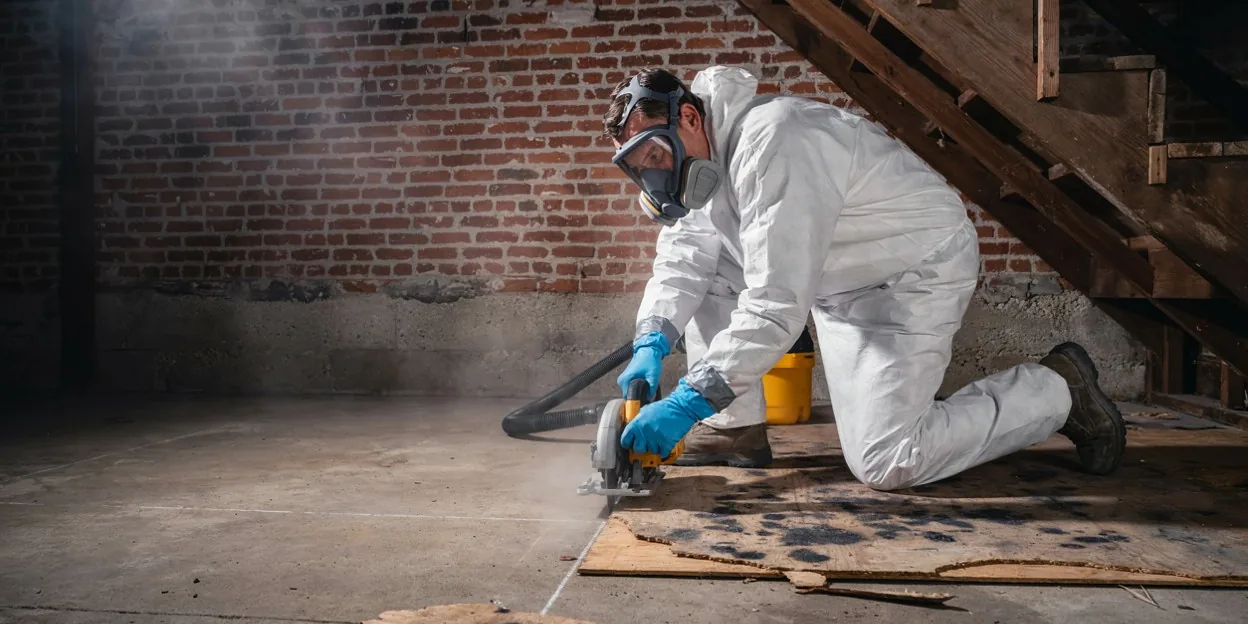
Containment, negative air, and removal of wet drywall, trim, and insulation from a North Port block house, then cleaning and drying of what stays.
Black Mold Removal
Dark growth handled under full containment and protective gear. Color does not name the species, and the steps do not change.
Whole-Home Mold Remediation
Room-by-room containment and removal after storm water, weeks without power, or a house closed up through a wet summer.
HVAC Mold Cleaning
Air handler, coil, drain pan, and duct cleaning when the musty smell arrives every time the air conditioning cycles on.
Bathroom Mold Removal
Growth on ceilings, in grout, behind vanities, and inside wet drywall from steam and slow leaks, the most common first call.
Attic Mold Remediation
Roof-deck and truss mold from lifted shingles, blocked soffits, and flex duct sweating in a hot North Port attic.
Mold Odor Removal
Tracing a musty smell to the wet material behind it, removing that material, and clearing the air instead of masking it.
Mold Damage Repair
Drywall, baseboard, insulation, and cabinet bottoms rebuilt after removal, with the water source fixed before anything closes up.